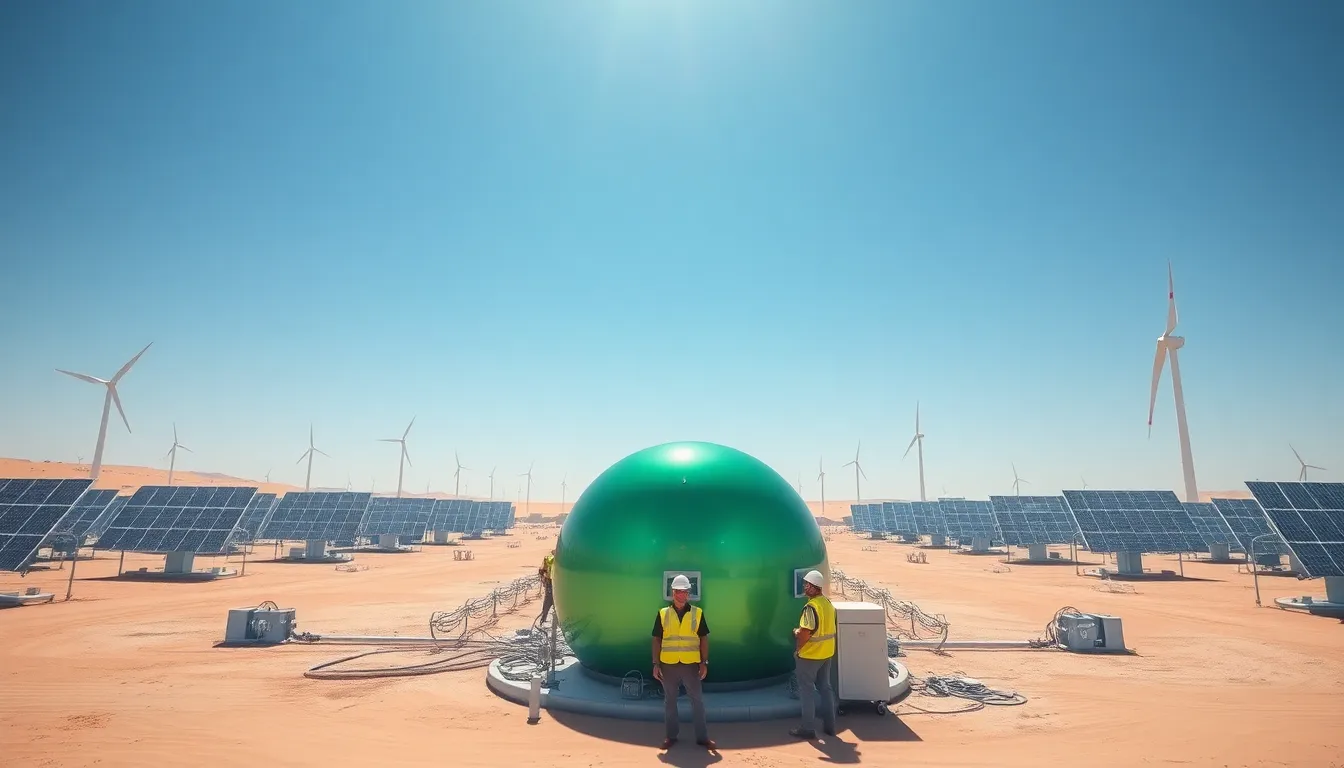
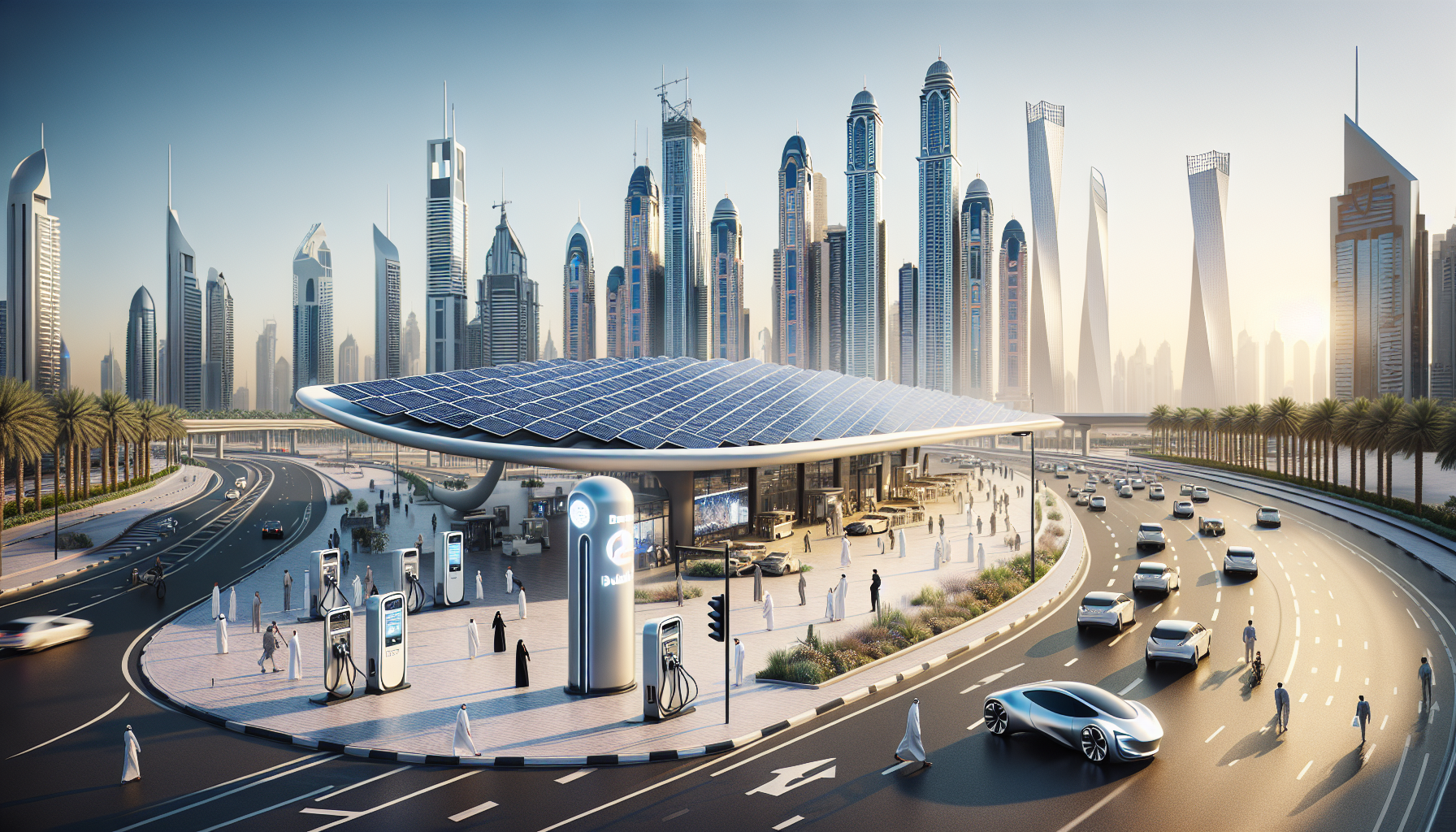
The United Arab Emirates, despite its rich heritage in the hydrocarbon industry, is proactively positioning itself as a leader in renewable energy and green hydrogen. As part of its “Net Zero-Carbon” strategic initiative by 2050, the country is investing heavily in innovative projects to reduce carbon emissions and promote sustainable energy sources.
Investing in a Sustainable Future: Renewable Energy in the UAE
The UAE has committed over 15 years to research and development in the field of renewable energy, particularly solar power. The cost of solar energy is now 1.35 cents per kilowatt-hour, making it an exceptionally competitive option. The country is home to three of the largest solar power plants globally, such as the Noor Abu Dhabi Solar Park and the Mohammed bin Rashid Al Maktoum Solar Park in Dubai, aimed at significantly reducing the country’s carbon footprint.
Green Hydrogen: An Ambitious Bet for the UAE
Green hydrogen is another cornerstone of the UAE’s energy strategy. The country aims to produce 1.4 million tons of low-emission hydrogen annually by 2031 and 15 million tons by 2050. Projects such as the Hydrogen Leadership Roadmap and the Abu Dhabi Hydrogen Alliance are in place to promote this technology. The inauguration of the first hydrogen fueling station in the Middle East in Dubai in 2017 marks a significant milestone in this direction.
Climate Goals and Infrastructure: The Roadmap to 2050
The UAE aims to increase the share of clean energy in its total energy mix to 50% by 2050. Investments of $54 billion are planned in renewable energy over the next seven years. The country also focuses on reducing carbon emissions with projects like the Barakah nuclear power plant, which is expected to cover up to 25% of electricity needs and prevent the release of 21 million tons of carbon emissions annually.
In conclusion, the UAE demonstrates unwavering commitment towards sustainable development through pioneering initiatives in renewable energy and green hydrogen. These efforts position the country as a leader in the global energy transition and contribute significantly to carbon emission reduction, aligning global climate goals with sustainable economic growth.