The United Arab Emirates (UAE) is positioning itself as a global leader in the energy transition by significantly accelerating its investments in renewable energy and green hydrogen. This initiative aligns with the country’s overarching strategy to achieve carbon neutrality by 2050. This article delves into the key projects and initiatives launched by the UAE to promote clean and sustainable energy.
Energy Goals and Strategy: A Vision for 2050
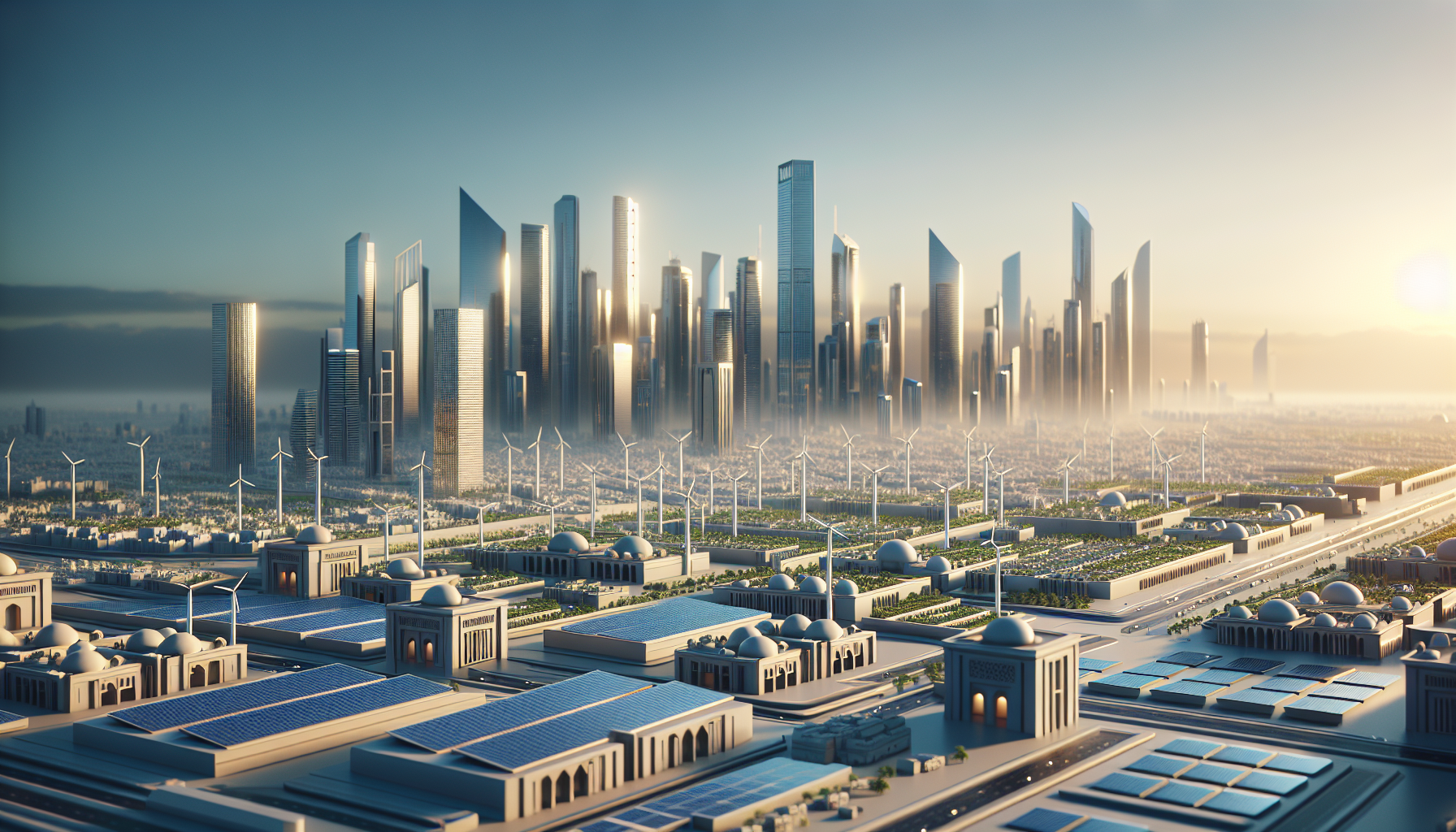
The UAE aims to increase the share of clean energy to 50% of its total energy mix by 2050. The national energy company, Masdar, is playing a pivotal role in this ambitious endeavor. With a target of reaching a renewable energy capacity of 100 GW by 2030, planned investments in renewables are set to total $54 billion over the next seven years. This commitment underscores the UAE’s determination to reduce its reliance on fossil fuels and to assert itself on the global stage as a leader in sustainable energy.
Flagship Green Hydrogen Projects: A Promising Future
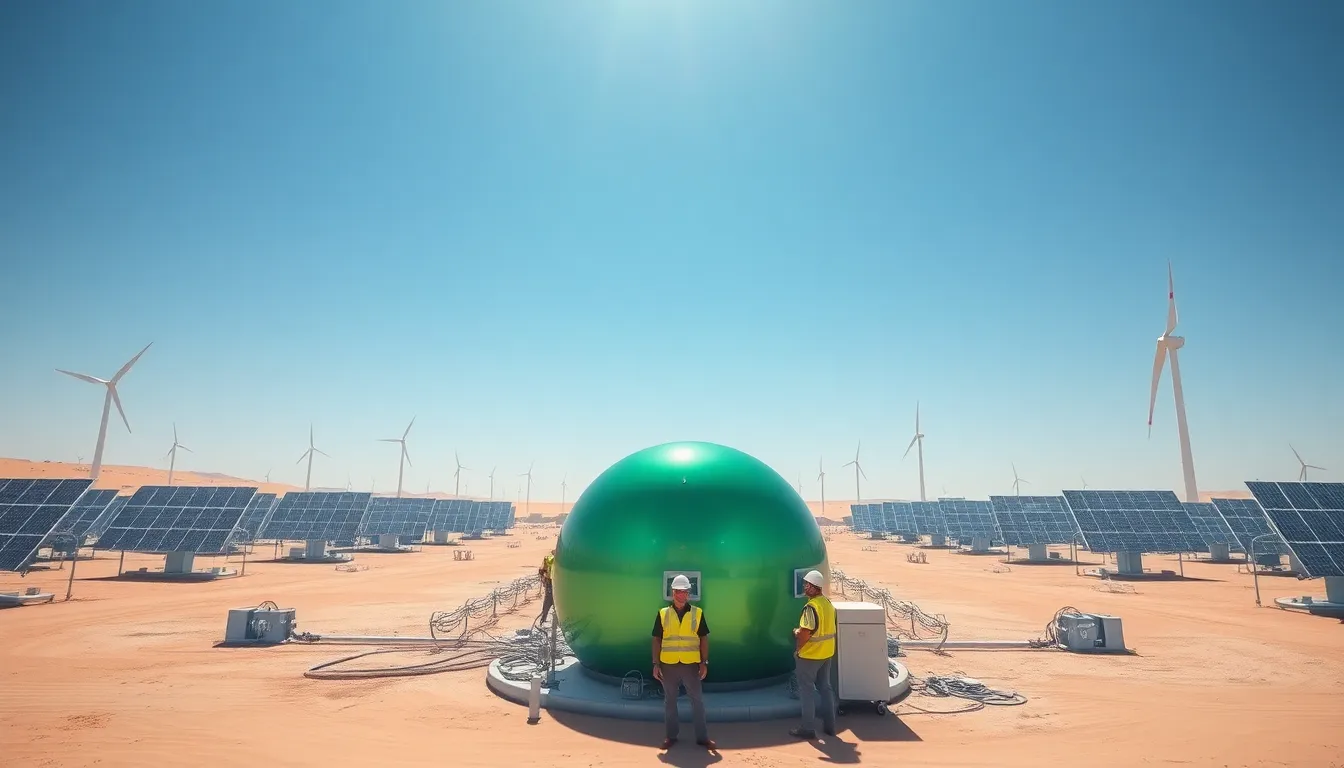
The United Arab Emirates is intensifying its efforts in green hydrogen, with several significant projects underway. TAQA, the Abu Dhabi energy company, is investing 10 billion dirhams in a Moroccan project to produce 6 GW of green hydrogen. Additionally, the UAE aims to produce 1.4 million tons of low-emission hydrogen per year by 2031, with an ambition to reach 15 million tons by 2050. Masdar and Hy24 have sealed a strategic agreement to invest up to 2 billion euros in large-scale green hydrogen projects worldwide, further solidifying the UAE’s commitment to a sustainable energy future.
Global Impact and Future Prospects: Towards Carbon Neutrality
These initiatives significantly contribute to reducing the carbon footprint of the United Arab Emirates. They also position the country as a major player in the international supply of green hydrogen. In particular, Africa is set to benefit from these investments, with projects expected to provide clean electricity to 100 million people by 2035. By playing a key role in the global energy transition, the UAE demonstrates not only its commitment to carbon neutrality but also its sustained effort to enhance its position as a world leader in renewable energies.
In conclusion, the United Arab Emirates exhibits a notable commitment to advancing the energy transition and boosting green hydrogen production. These initiatives not only support their carbon neutrality objectives but also bolster their standing on the international stage in the domain of clean and sustainable energy.