The United Arab Emirates (UAE) has recently unveiled an ambitious new climate strategy aimed at reducing greenhouse gas emissions by 47% compared to 2019 levels by 2035. This initiative is part of the nation’s commitment to the Paris Agreement objectives and a transition toward more sustainable energy sources.
Context and Goals: A Vision for the Future
The UAE’s latest Nationally Determined Contribution (NDC), submitted to the UN, lays out detailed sector plans designed to cut emissions. The country aims for significant reductions: 27% in the industrial sector, 20% in transportation, 37% in waste management, an impressive 79% decrease for buildings, and 39% in agriculture by 2035. With the ultimate goal of achieving carbon neutrality by 2050, these long-term targets underscore the UAE’s deep commitment to a greener planet.
Measures and Technologies: At the Heart of Innovation
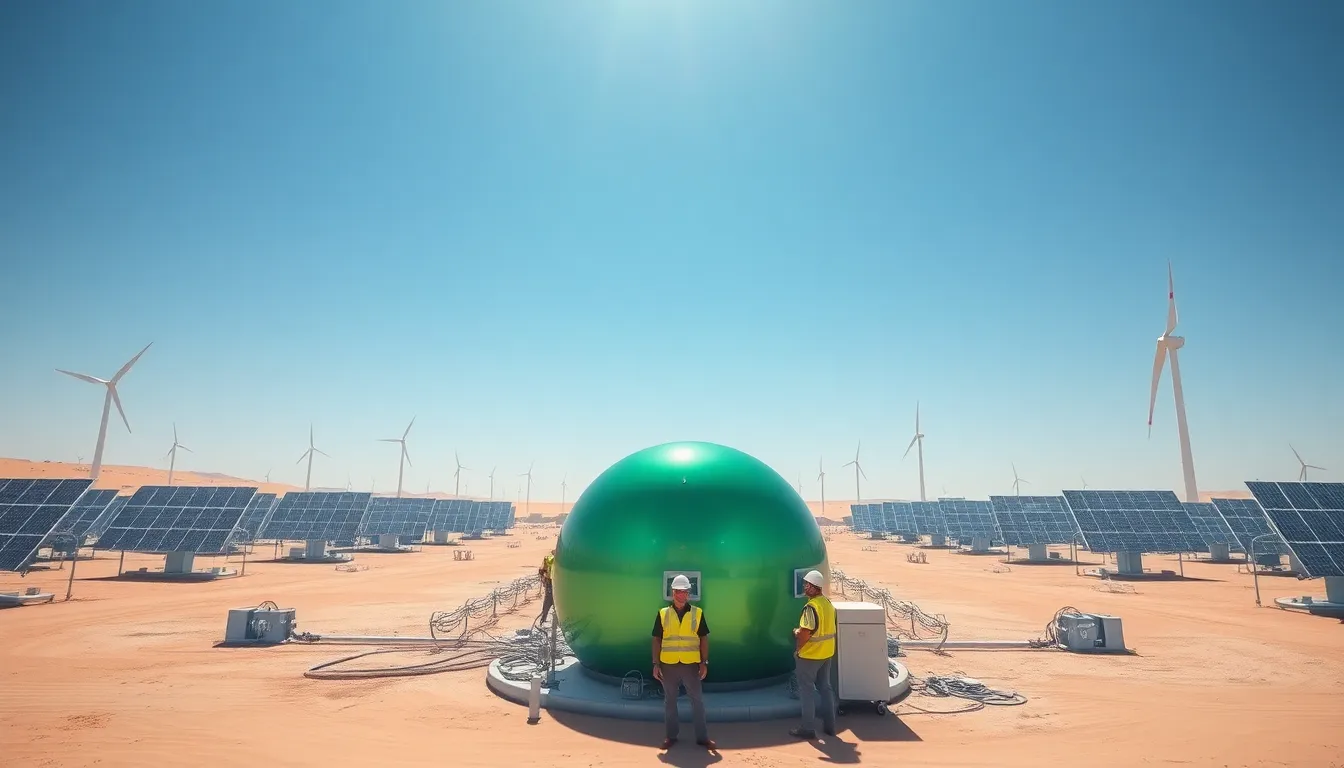
To achieve these ambitious goals, the United Arab Emirates plans to leverage several key measures. Expanding solar and nuclear capacity is central, alongside investments in carbon capture and storage technologies. Additionally, fossil fuel energy production must proceed in less polluting ways to minimize its footprint. Integral to this comprehensive strategy are waste-to-energy technologies and innovative methods for carbon dioxide removal.
Critiques and Challenges: Balancing Ambition and Reality
While this strategy is widely applauded for its ambition, it doesn’t go without criticism. Some detractors point out that the UAE does not include specific measures for reducing oil and gas production, which are set to increase by one-third by 2035. Furthermore, emissions associated with the overseas consumption of these resources are not accounted for in the UAE’s national targets, raising broader global environmental issues.
Ultimately, the UAE’s new climate strategy represents a significant turning point in reducing greenhouse gases and promoting renewable energy. Although challenges and criticisms remain, the initiative clearly demonstrates the country’s resolve to be a major player in combating climate change. This approach not only reflects an adaptation to current environmental demands but also a forward-looking vision aimed at sustainable development.