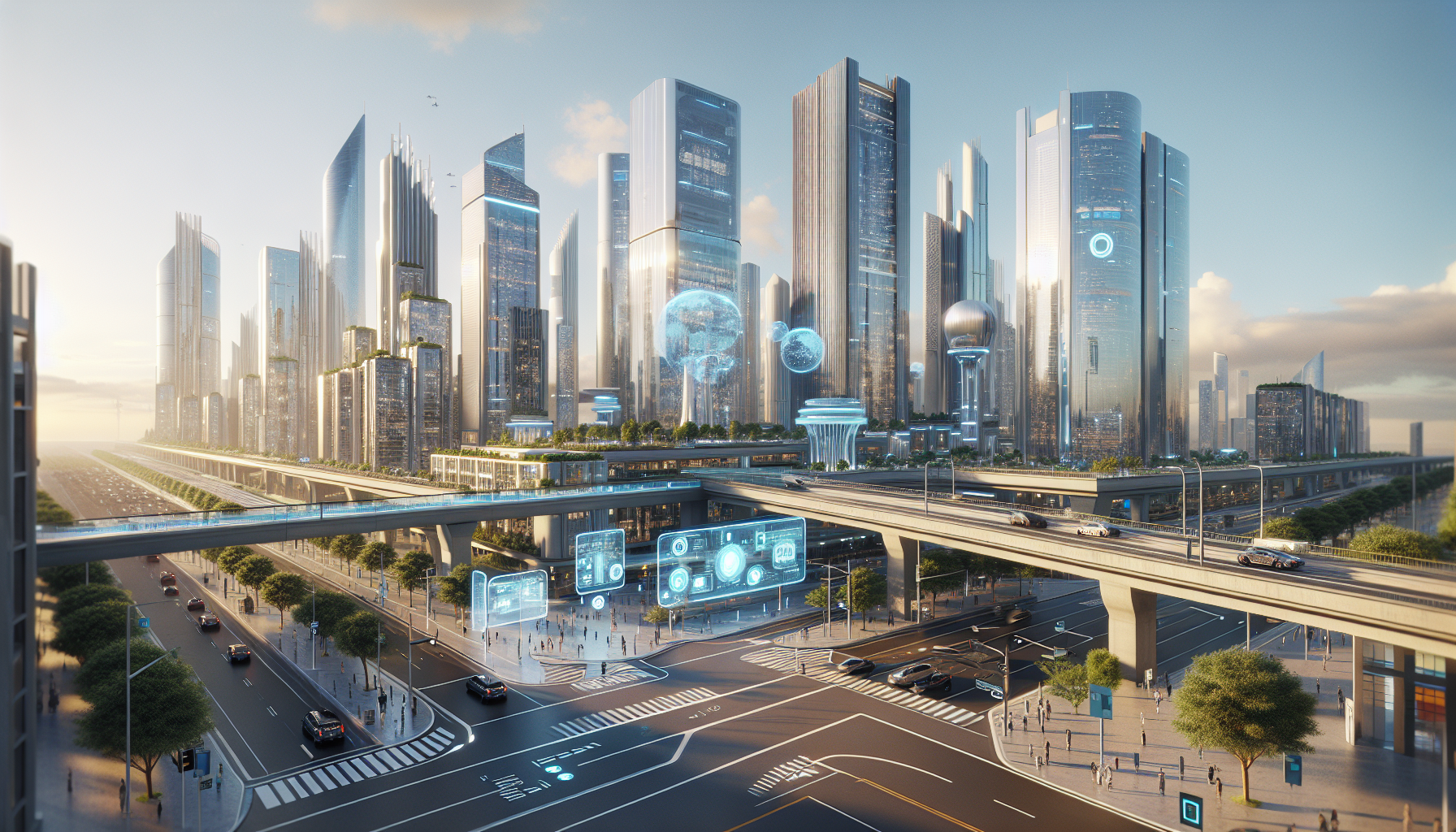
NEOM, the futuristic city in Saudi Arabia, has unveiled ambitious plans to integrate artificial intelligence (AI) into its infrastructure, aiming to enhance the efficiency and sustainability of urban and industrial developments. Following the departure of its CEO Nadhmi Al Nasr, NEOM has rolled out new strategies to leverage AI in its projects, aligning with Saudi Arabia’s Vision 2030.
Background and Key Features of NEOM
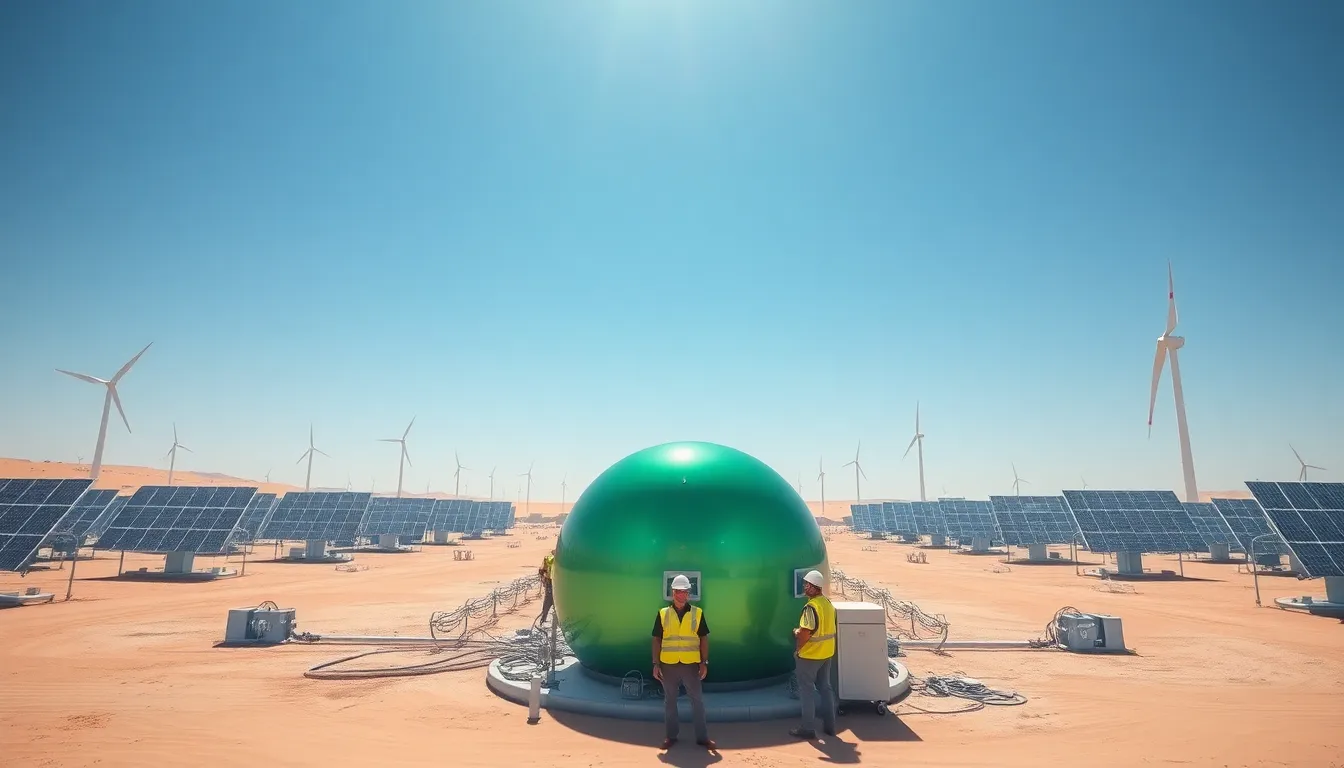
NEOM stands as a cornerstone of Saudi Arabia’s Vision 2030 initiative, conceived as a global hub for innovation, sustainability, and cutting-edge technologies such as artificial intelligence, robotics, and advanced mobility. The city will be entirely powered by renewable energy sources like solar, wind, and hydrogen, and will implement AI-driven infrastructures to manage resources, monitor traffic, and optimize services such as health and safety.
AI-Guided Infrastructure and Urban Planning
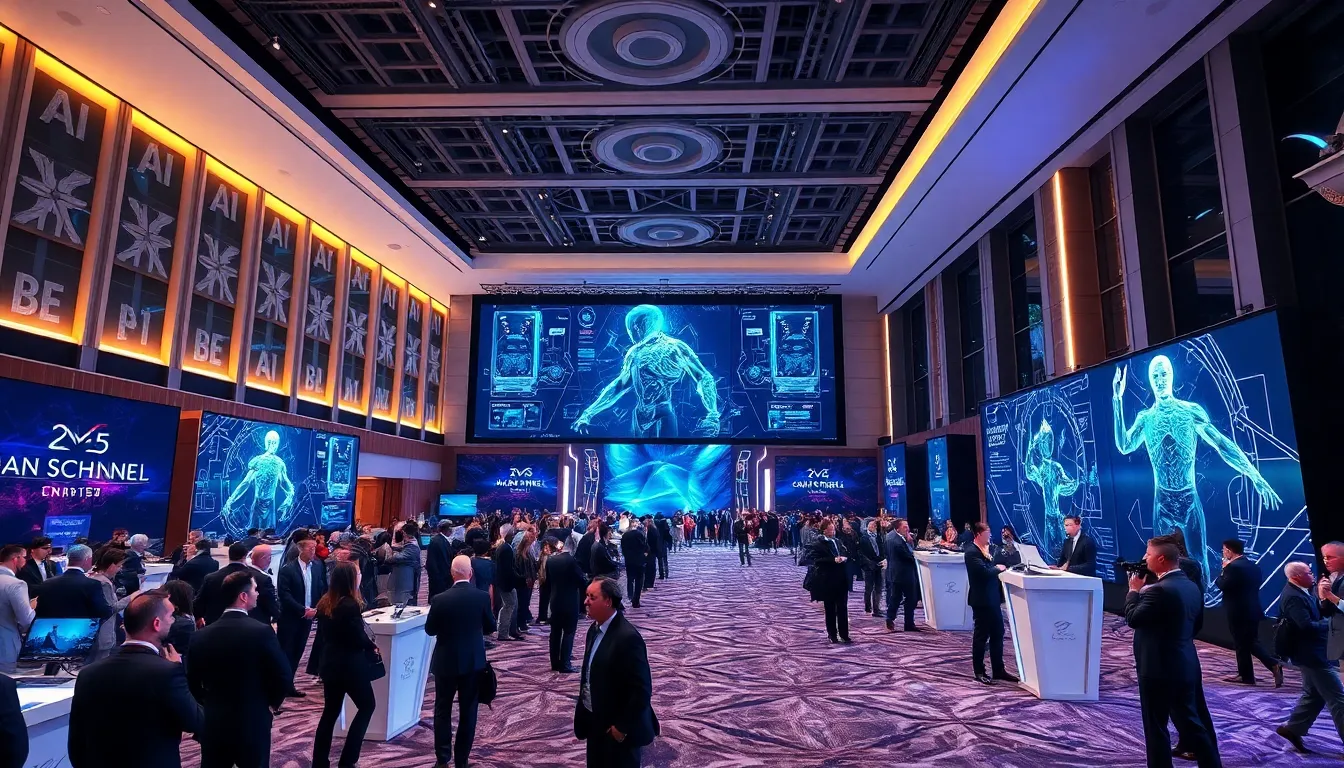
AI plays a central role in the administration of NEOM, from traffic management to public utilities. City operations will be automated and optimized using machine learning algorithms and data analysis. For instance, AI algorithms analyze vast amounts of data to optimize the layout and design of critical infrastructure components, including transport and energy networks. NEOM’s fleet of autonomous vehicles and smart grids are prime examples of AI-driven solutions aiming to reduce congestion, minimize travel times, and enhance overall mobility and energy efficiency.
The Line: A Revolution in Vertical Cities
The Line, a key feature of NEOM, is a 170-kilometer linear city designed with no cars, no streets, and zero carbon emissions. It will feature ultra-fast transit systems and serve as a hub for AI-driven innovation. The Line will accommodate nearly nine million people and will be built on a footprint of just 34 square kilometers, using prefabricated and modular pieces to ensure efficiency and sustainability.
By incorporating AI into its infrastructure, NEOM is paving the way for the creation of a sustainable, efficient, and technologically advanced city. As the project progresses, it is set to establish new benchmarks for urban living and serve as a model for future smart cities around the world.