The United Arab Emirates is positioning itself as a leader in the energy transition by making substantial investments in green hydrogen technologies and sustainable aviation fuels. These initiatives aim to cut carbon emissions and promote environmental sustainability. This article delves into key projects, strategic partnerships, and the implications of these investments for the future of sustainable energy.
Green Hydrogen Production Projects: A Major Leap Forward
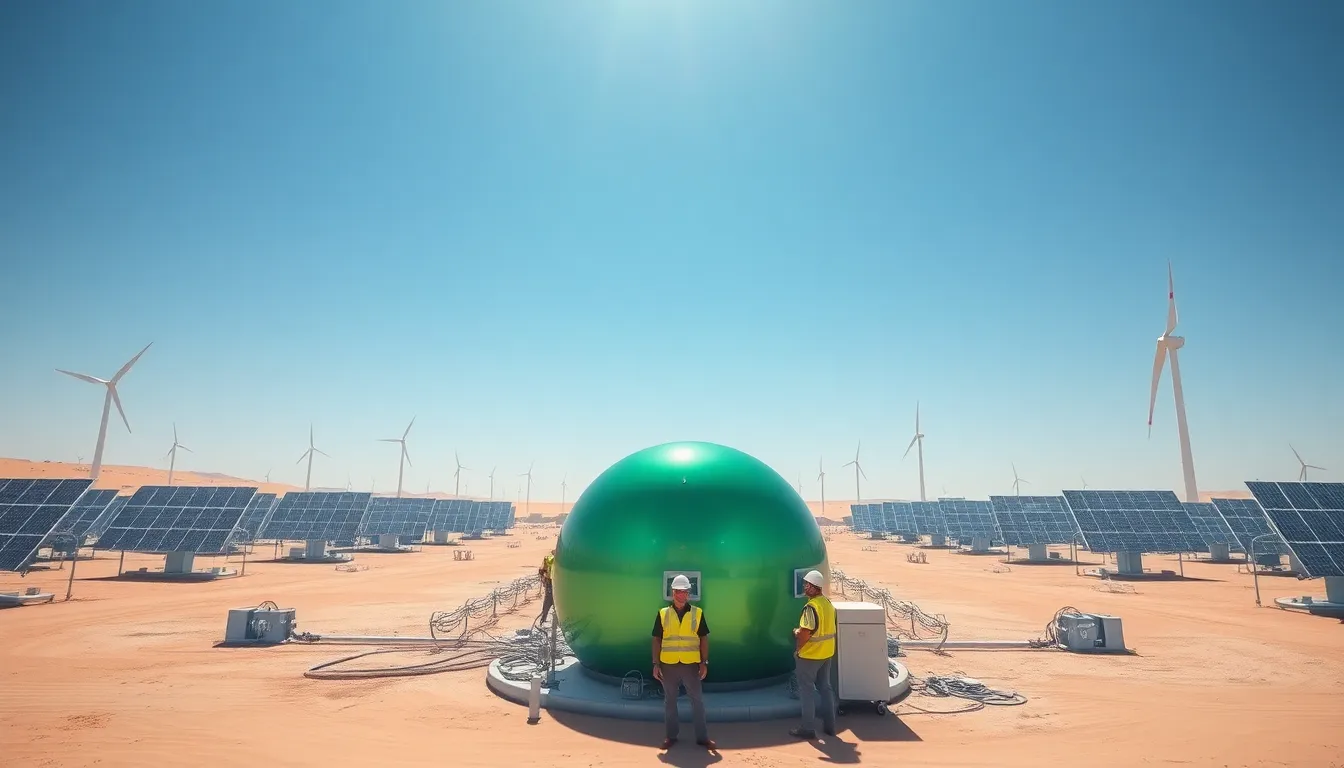
One of the flagship projects is the construction of the largest green hydrogen plant in Saudi Arabia, NEOM Green Hydrogen, located in the northwest of Saudi Arabia. This plant, which is 60% complete, is expected to start production in December 2026. It will be powered by 4 GW of renewable energy (solar and wind) and will produce 600 tons of green hydrogen per day along with 1.2 million tons of ammonia per year.
Promising Initiatives: Sustainable Aviation Fuel in Practice
Emirates recently conducted a demonstration flight of the A380 using 100% sustainable aviation fuel (SAF), showcasing the fuel’s ability to reduce carbon emissions by up to 85% compared to traditional kerosene. This flight marks a significant step towards 100% SAF certification and contributes to the decarbonization of the UAE’s aviation sector.
Partnerships and National Strategy: Towards a Hydrogen Economy
The UAE has developed a national hydrogen strategy in collaboration with organizations like GHD and Fraunhofer. This strategy aims to position the country as a major hydrogen economy by 2031, leveraging its vast natural gas reserves and abundant solar energy resources. Projects valued at least $12 billion are planned, including green ammonia production facilities and sustainable aviation fuels.
In conclusion, the UAE’s investments in green hydrogen and sustainable aviation fuels are crucial for its transition to a more sustainable economy. These initiatives not only reduce carbon emissions but also position the country as a leader in tomorrow’s energy technologies.