The United Arab Emirates has launched several ambitious initiatives to increase green spaces and promote environmental sustainability. These efforts aim to create parks and gardens while enhancing the country’s aesthetic, environmental, health, social, and economic conditions. In this article, we explore the key aspects of these initiatives and their significant impacts.
The Context and Objectives of the Initiatives
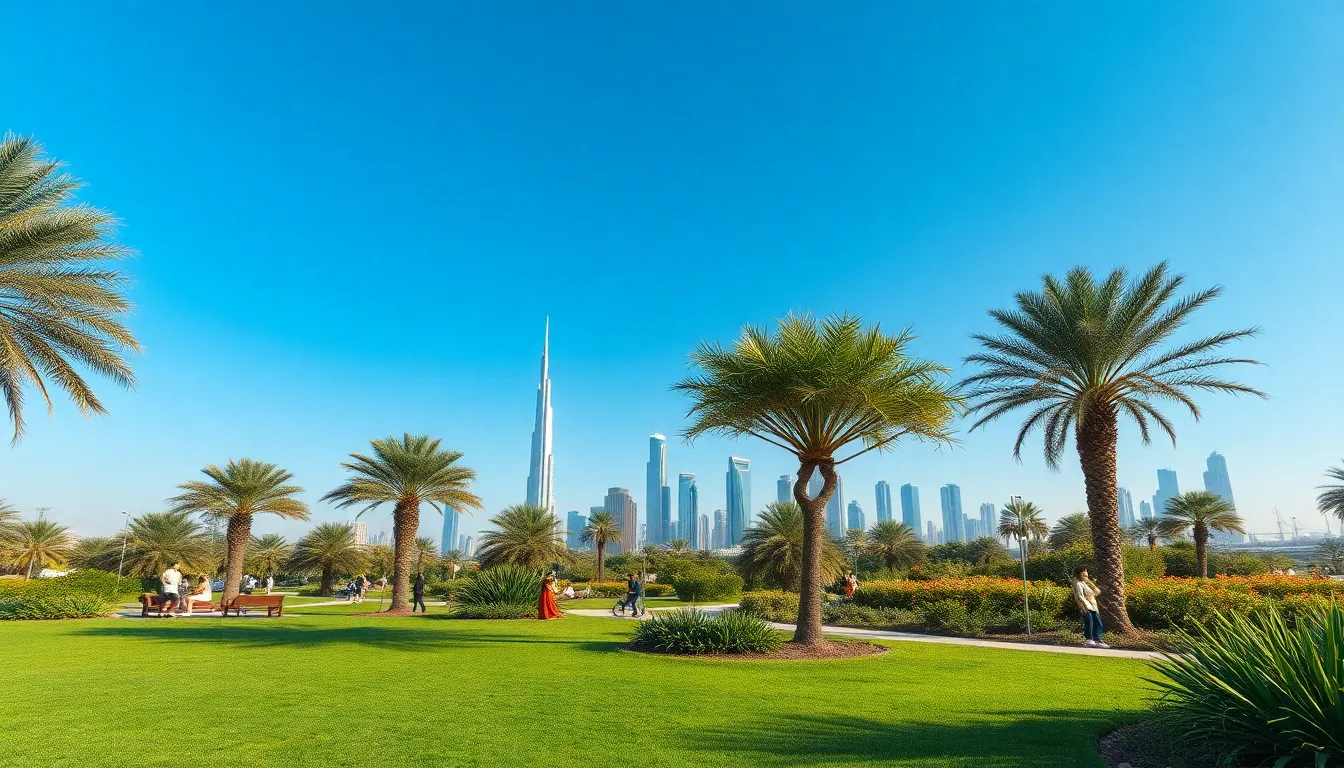
The UAE is committed to becoming a global leader in environmental sustainability. The establishment of Dubai’s new environmental and climate authority, led by Sheikh Mohammed bin Rashid Al Maktoum, aims to double green spaces and make Dubai one of the world’s top ten sustainable cities by 2033. This initiative aligns with the UAE’s goal to achieve carbon neutrality by 2050.
What Are the Key Initiatives and Projects?
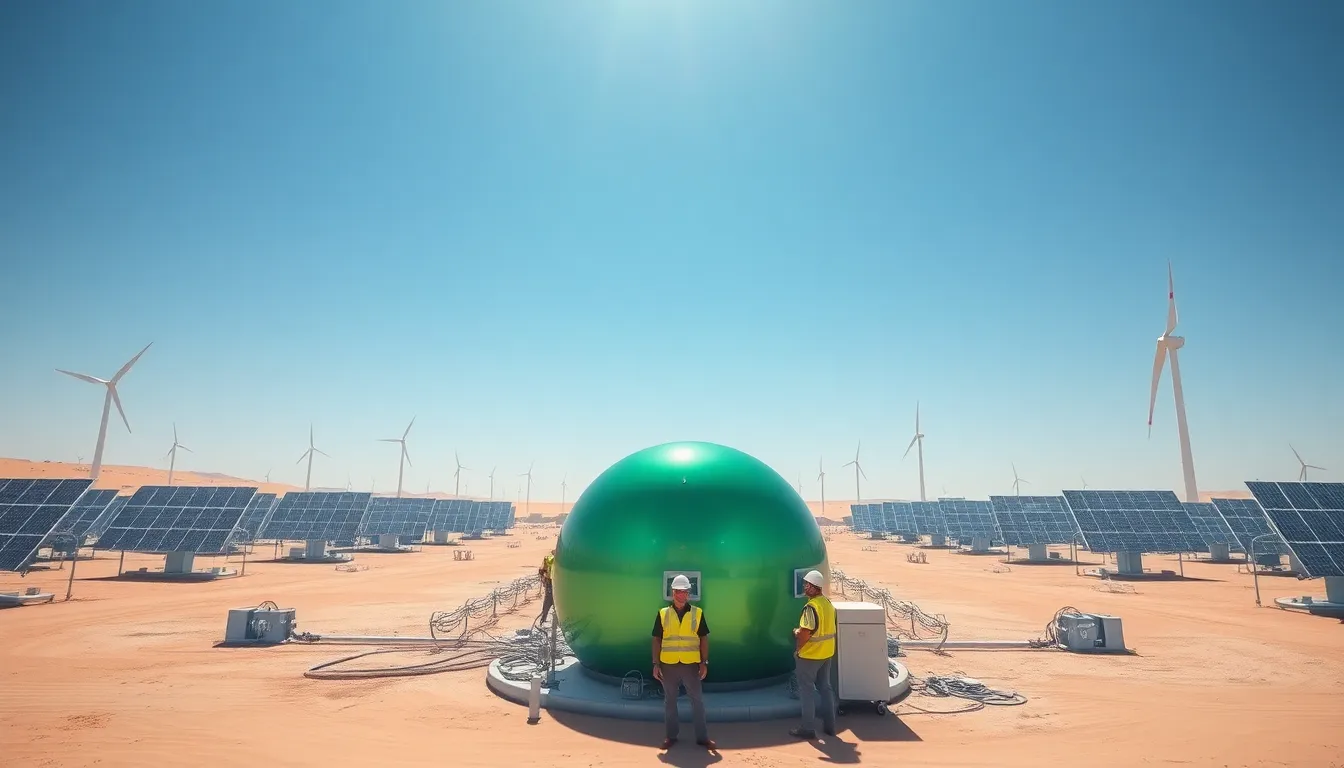
The initiatives focus on promoting sustainable practices across all sectors, preserving biodiversity, and expanding nature reserves and green spaces. Renewable energy projects, such as solar and wind energy, are pillars of these sustainability efforts. Additionally, water conservation strategies and waste management practices are being implemented to minimize environmental impact.
Benefits and Impacts of These Initiatives
These initiatives offer multiple benefits: improving public health through cleaner air and water, enhancing living conditions, and contributing to the reduction of greenhouse gas emissions. Furthermore, they boost economic resilience by diversifying the economy and reducing dependence on fossil fuels.
In conclusion, the United Arab Emirates demonstrates a strong commitment to environmental sustainability. Initiatives to increase green spaces and promote sustainable practices are crucial for a greener and more resilient future. These efforts will serve as a model for other cities and countries in their fight against climate change and environmental protection.