
The Dubai International Financial Centre (DIFC) recently unveiled a bold decarbonization strategy, aiming for carbon neutrality by 2045, a full five years ahead of the United Arab Emirates’ national goals. This initiative involves targeted emission reductions across operations, construction, and the supply chain, and seeks to reinforce Dubai’s status as a leader in sustainable finance within the region.
Understanding DIFC’s Decarbonization Ambitions
The DIFC’s decarbonization strategy is part of the broader UAE efforts to achieve carbon neutrality by 2050. The DIFC focuses on five key objectives: sustainability, economic growth, social development, security, and governance. This initiative includes specific measures to curtail emissions in operations, construction, and the supply chain.
Collaborative Implementation: Who and How?
The execution of this strategy requires close collaboration with various stakeholders, including financial institutions, businesses, and government bodies. The Dubai Sustainable Finance Working Group (DSFWG), established in 2019, plays a crucial role in coordinating these efforts and embedding best practices in environmental, social, and governance (ESG) principles within Dubai’s financial sector.
Practical Measures for Sustainable Impact
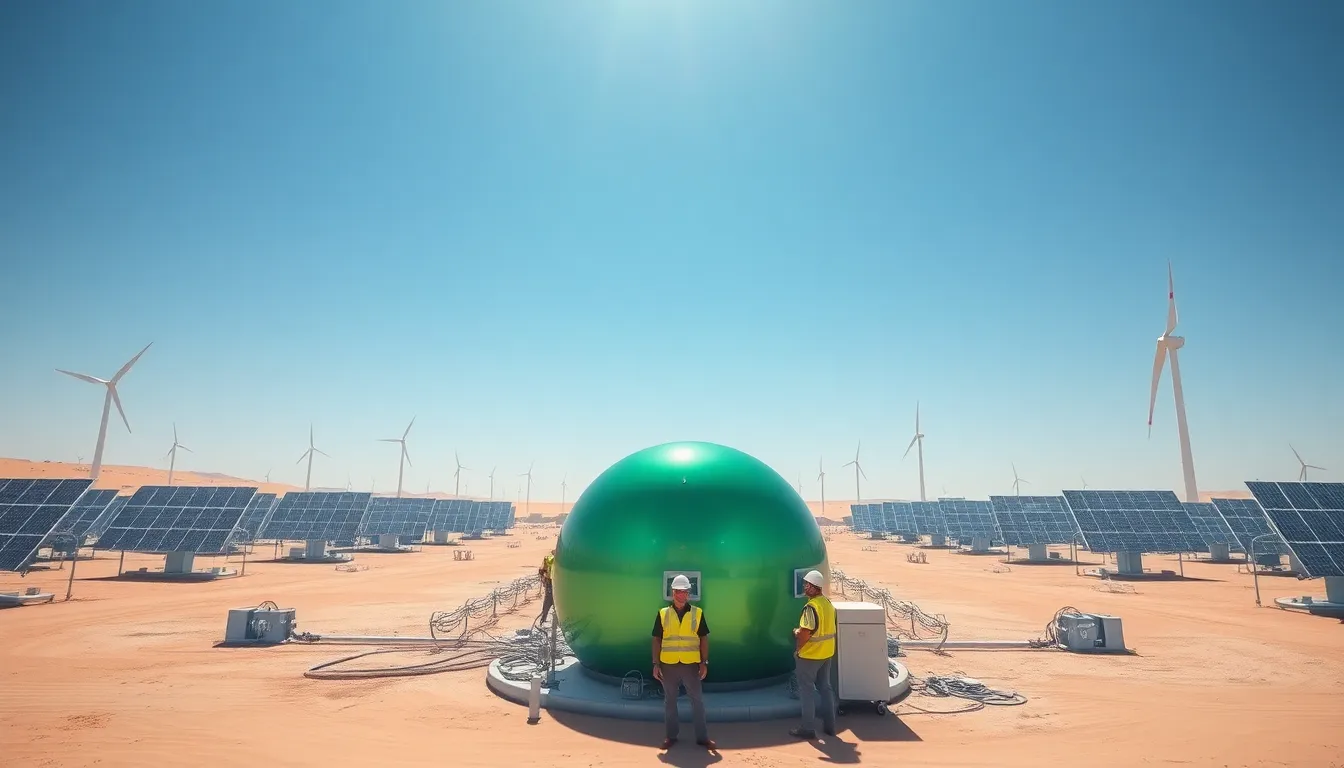
To achieve these objectives, DIFC advocates for several practical measures, such as the adoption of green technologies, enhancing the energy efficiency of buildings, and encouraging sustainable investments. These initiatives are expected not only to lower carbon emissions but also to contribute to sustainable economic growth and enhance Dubai’s reputation as a responsible financial hub.
In conclusion, the DIFC’s decarbonization strategy marks a significant step toward a more sustainable future for Dubai’s financial sector. By aligning its efforts with the UAE’s sustainable development goals, the DIFC strengthens its position as a leader in sustainable finance in the region.