
The United Arab Emirates has announced an ambitious commitment to reduce its greenhouse gas emissions by 47% between 2019 and 2035 as part of their Nationally Determined Contributions (NDC) and efforts to meet the objectives of the Paris Agreement. This article explores the UAE’s climate commitments and the measures they are undertaking to achieve these goals.
Climate Goals and the UAE’s Context
In the global push against climate change, the UAE is positioning itself as a key player by making substantial commitments to cut greenhouse gas emissions. Hosting COP29 after previously hosting COP28, the UAE aligns with the Paris Agreement’s goals to limit global warming to 1.5 degrees Celsius. Their pledge to cut emissions by 47% by 2035 underscores their dedication to a sustainable economic future.
Strategies for Emission Reduction
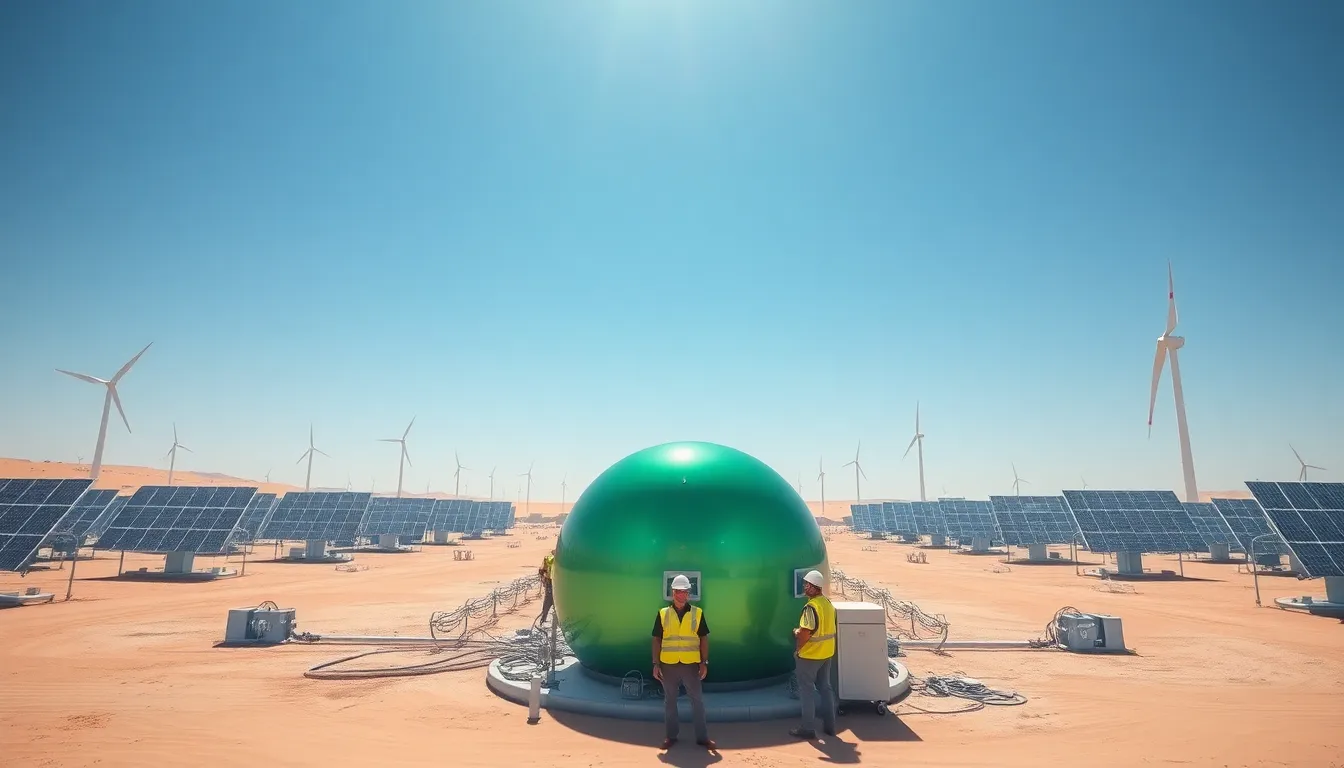
To achieve their ambitious climate targets, the UAE has implemented several strategies. Key focuses include the development of renewable energies, improving energy efficiency, and reducing reliance on fossil fuels. This suite of measures highlights a strong commitment to energy transformation. However, some critics argue that the planned increase in fossil fuel production might undermine these efforts.
Challenges in the Energy Transition
The path towards a green economy is fraught with challenges, especially given the UAE’s pivotal role in the oil industry. While the Minister of Energy has emphasized the need to maintain investments in this sector to meet the growing global demand for oil and gas, the priority remains transitioning towards more sustainable energy solutions.
In summary, the UAE’s efforts to reduce greenhouse gas emissions are contributing to achieving global climate goals. Despite the challenges posed by the dynamics of the energy market and economic needs, they exhibit a strong determination to move towards an increasingly green and responsible economy. The current initiatives reflect a proactive approach which, if well-executed, could positively influence environmental practices both regionally and globally.