The NEOM Green Hydrogen Company (NGHC) is poised to reshape the global energy landscape with its groundbreaking project in Saudi Arabia, aiming to produce the world’s largest quantity of green hydrogen. This $8.4 billion initiative, expected to be up and running by 2026, is a cornerstone of NEOM’s vision for sustainability and renewable energy. Here, we delve into the latest developments and the substantial impact this project is anticipated to have on the global energy transition.
Background and Project Objectives
NEOM’s green hydrogen complex, located at Oxagon in the NEOM region of Saudi Arabia, is a joint venture equally owned by ACWA Power, Air Products, and NEOM. The project has secured $6.1 billion in non-recourse financing from 23 local, regional, and international banks and financial institutions. It aims to integrate up to 4 GW of solar and wind energy to produce up to 600 tons per day of carbon-free hydrogen by the end of 2026, in the form of green ammonia.
Technical and Infrastructure Details
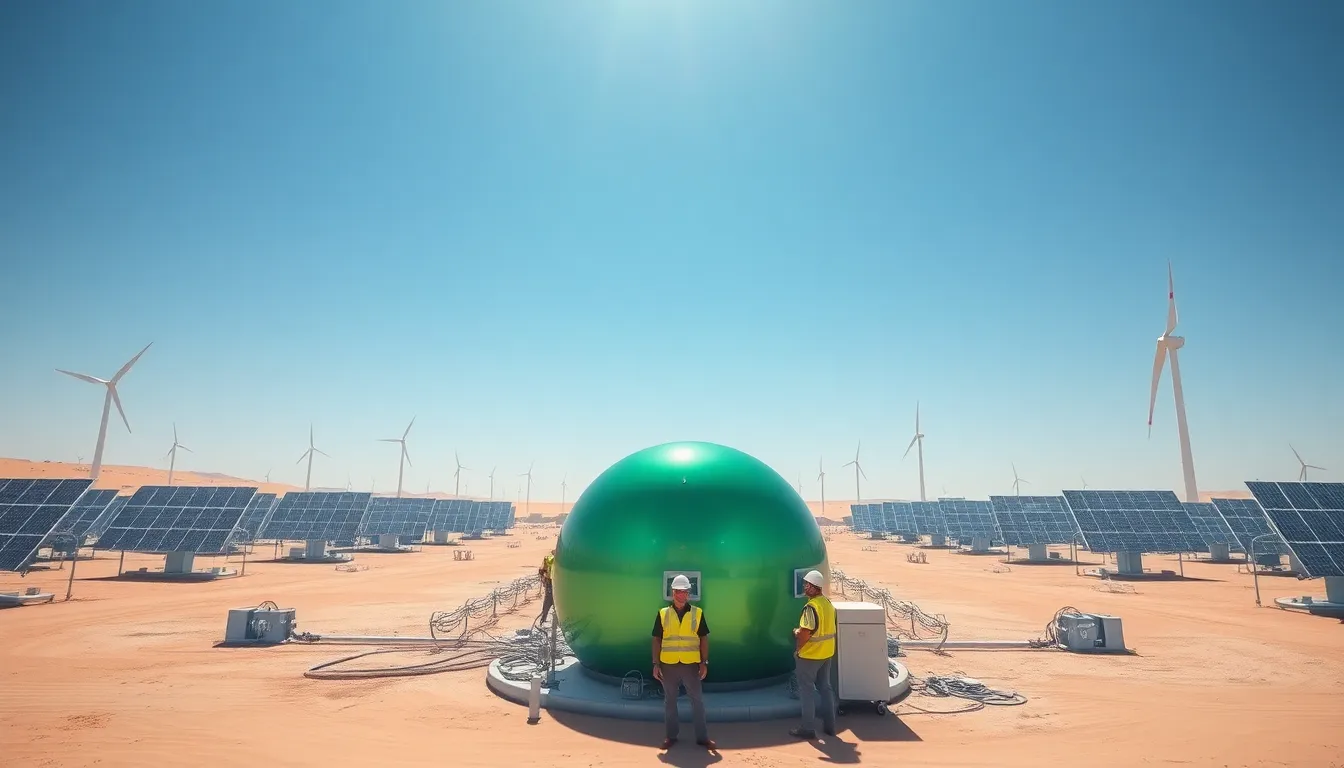
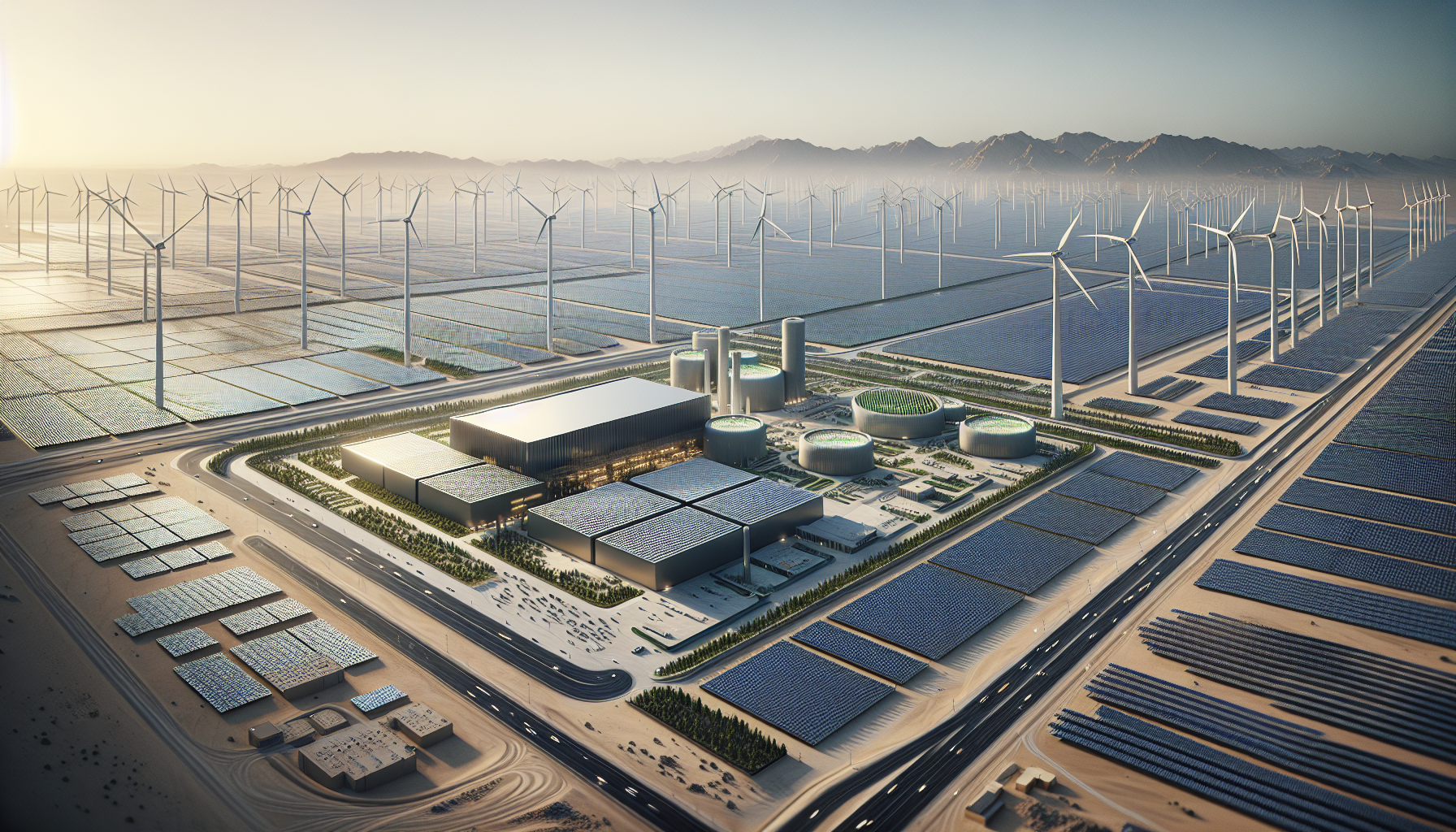
The plant will be powered by a mix of solar and wind energy. A solar farm spanning approximately 80 km² and a wind park with 257 turbines will provide the necessary electricity. The project includes the Hydrogen Innovation Development Center (HIDC), which will initially produce 8 tons of green hydrogen per day and serve as a research and development hub to enhance operations and technology.
Impact and Future Prospects
The project aligns with Saudi Arabia’s Vision 2030 and the Saudi Green Initiative, aiming to save up to 5 million tons of CO2 annually. It will also create 300 jobs once fully operational. The green ammonia produced will be exported globally, significantly contributing to the decarbonization of transport and heavy industry sectors. The success of this project positions Saudi Arabia as a leader in the global market for hydrogen production and export.
In summary, NEOM’s green hydrogen plant is a pivotal project in the global shift towards renewable energy. With its ambitious goals and substantial investments, it sets a new standard for sustainable energy production. As the project moves towards its operational target in 2026, it is evident that NEOM is at the forefront of green hydrogen innovation, steering towards a cleaner and more sustainable future.