The United Arab Emirates, renowned for their oil and gas reserves, are making a significant shift towards renewable energies as part of their strategic “Net Zero-Carbon” initiative to achieve carbon neutrality by 2050. This article explores the ongoing investments and projects in the renewable energy sectors and their positive impacts on the nation’s energy transition.
Strategic Context and Goals
The United Arab Emirates, known for having one of the highest carbon footprints globally, aim to cut their greenhouse gas emissions by 40% compared to 2019 levels by 2030, with the ultimate goal of reaching carbon neutrality by 2050. The country’s 2050 energy strategy blends renewable, nuclear, and clean energy sources to meet both economic and environmental needs.
Key Investments and Projects
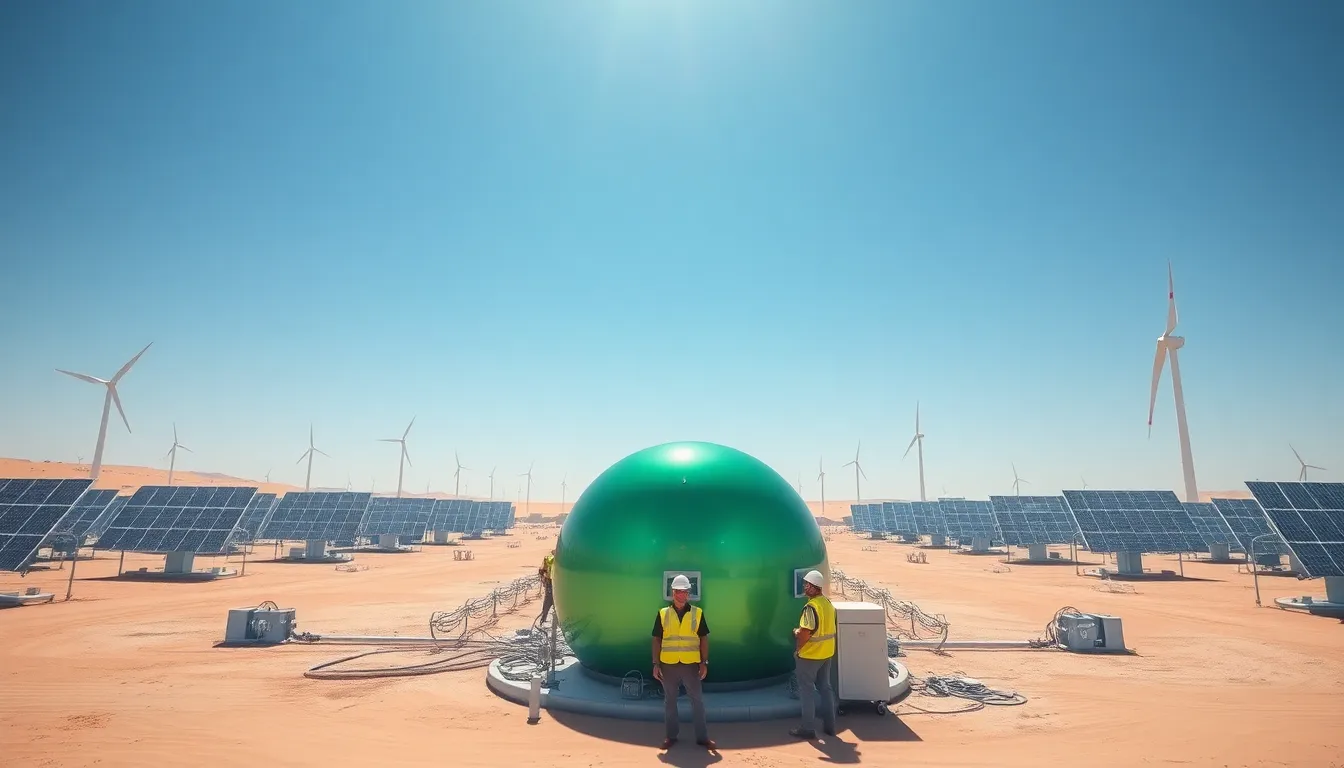
The UAE has initiated several major projects in the renewable energy sector. They already operate three of the world’s largest solar power plants, including the Noor Abu Dhabi solar park and the Mohammed bin Rashid Al Maktoum solar park in Dubai. These initiatives aim to triple the renewable energy capacity to 14 GW by 2030 and to achieve 44% clean energy within the total energy mix by 2050.
Impacts and Outlook
The UAE’s renewable energy initiatives have already yielded significant results. For instance, the Noor Abu Dhabi solar park reduces the nation’s carbon footprint by 1 million tons of CO2 annually, equivalent to removing 200,000 cars from the road. Furthermore, the investment of 54 billion dollars in renewable and clean energy sources over the next seven years will support sustainable growth and facilitate the country’s energy transition.
In conclusion, the UAE is committed to an ambitious and sustainable energy transition, aligned with the goals of COP28 and the Paris Agreement. These efforts demonstrate that even countries traditionally reliant on hydrocarbons can play a pivotal role in combating climate change.